Construction and demolition debris is one of the largest waste streams the U.S. tracks, the EPA reports over 600 million tons of C&D material generated in a single year, far more than household trash. On an Erie…
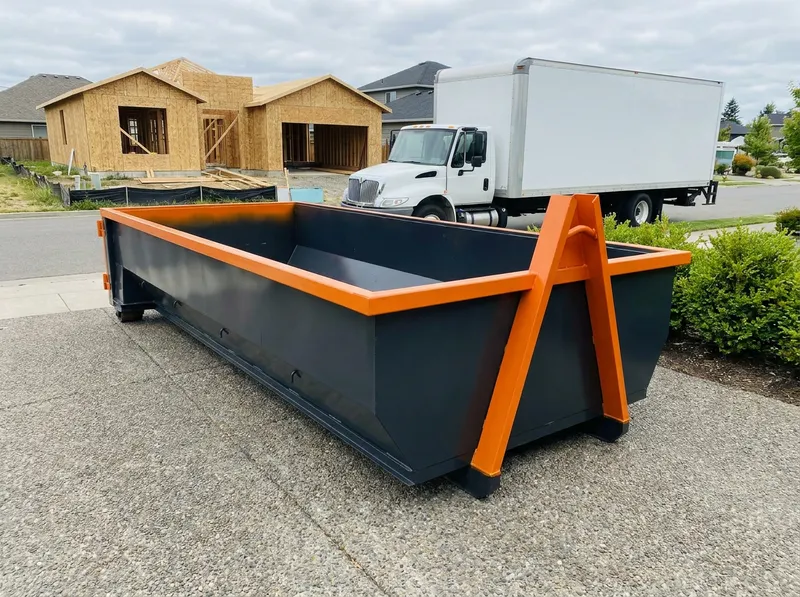
Construction and demolition debris is one of the largest waste streams the U.S. tracks, the EPA reports over 600 million tons of C&D material generated in a single year, far more than household trash. On an Erie jobsite that volume shows up fast: a single-story tear-off, a kitchen gut in Glenwood, or a garage demolition in Wesleyville can fill a container in an afternoon. A construction dumpster is a roll-off you load yourself at your own pace, it is not junk removal where a crew does the lifting, which is the most common mix-up and the reason sizing matters before the truck arrives.
Size maps to the job. The 10-yard holds roughly 4 pickup loads and suits a single-room remodel or bathroom gut. The 20-yard holds about 8 pickup loads and fits a full kitchen or a mid-size deck teardown. The 30-yard is the standard roofing and whole-house-remodel container, and the 40-yard, the largest, handles new construction and large demolition in Harborcreek and Millcreek. The trade-off is simple prose, not a chart: a bigger box swallows more debris but eats more driveway, so a 40-yard that needs 22 feet of clear run is a poor pick for a narrow Little Italy lot where a 20-yard drops cleaner. Heavy, dense loads, concrete, brick, dirt and asphalt, behave differently than bulky wood framing; dense material is often split into a smaller dedicated container because weight, not volume, becomes the limit. OSHA jobsite safety guidance also treats debris staging as a hazard area, so a container placed off the work path keeps the site cleaner and the crew moving.
Placement and permits are the two questions Erie contractors ask most. On private property, a driveway or lot in Frontier, Bayview or East Bayfront, no permit is needed. A container set on a public street or in the right-of-way typically requires a permit from the City of Erie, and streets near the Bayfront Convention Center or the Erie Insurance Arena can carry extra restrictions during events. Plywood goes under the wheels on finished driveways to protect asphalt. Prohibited items are consistent across haulers and set by Pennsylvania DEP rules: no liquids, no tires, no batteries, no appliances with refrigerant, and no household hazardous waste such as paint, solvents or chemicals. Shingles, clean wood and concrete are all accepted. Asbestos and other regulated materials must be handled under separate federal asbestos rules and never go in a general C&D box.
How it works is short. Step 1: call or text with the job type and your Erie neighborhood. Step 2: pick a size, if unsure, describe the project and a size is matched to the debris. Step 3: the roll-off is delivered, most often same-day or next-day. Step 4: load it over your rental window. Step 5: call for pickup and the full container is hauled to a permitted Erie County transfer site. Separating clean metal or recyclable material before loading can reduce total landfill volume on larger demolition jobs.
Every job gets a firm, written price after an on-site visit.
Tell us about your construction & c&d dumpster rental job in Erie and we'll send a clear, written quote, usually the same day.
 Hammerhead Dumpster Rental